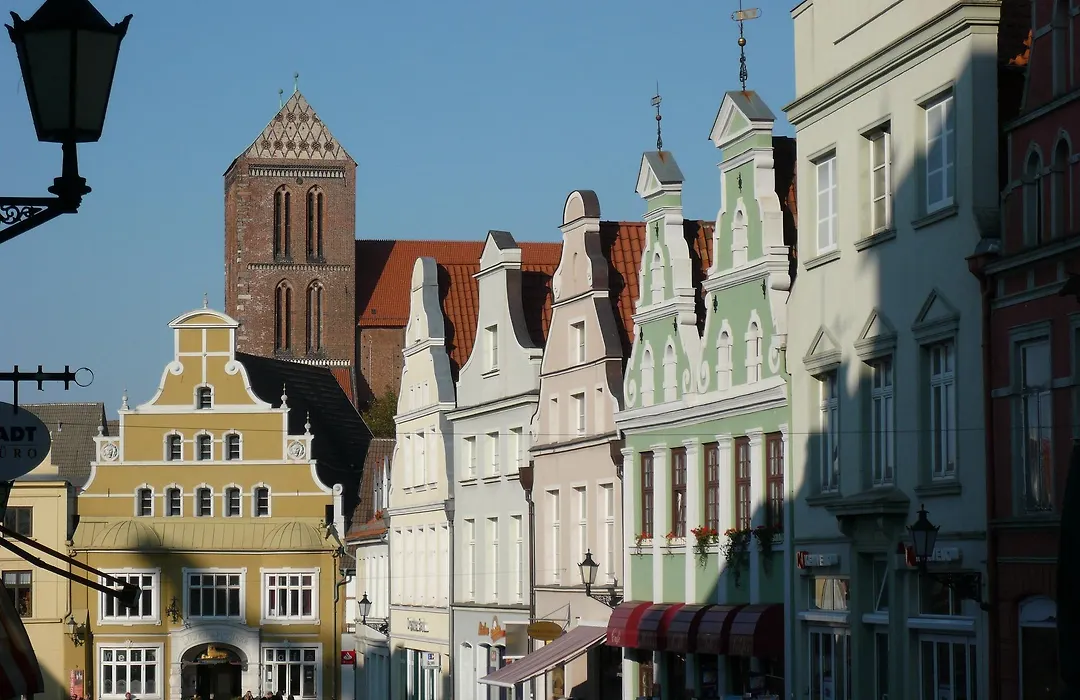
Marienkirche: Wismar's Medieval Gothic Treasure
July 27, 2025

I spent nearly two hours exploring Marienkirche, wandering through its massive Gothic spaces and admiring the intricate brick architecture that has survived centuries. The church sits conveniently near Wismar's market square, making it easy to combine with other local historical attractions like the Town Hall and nearby medieval buildings.
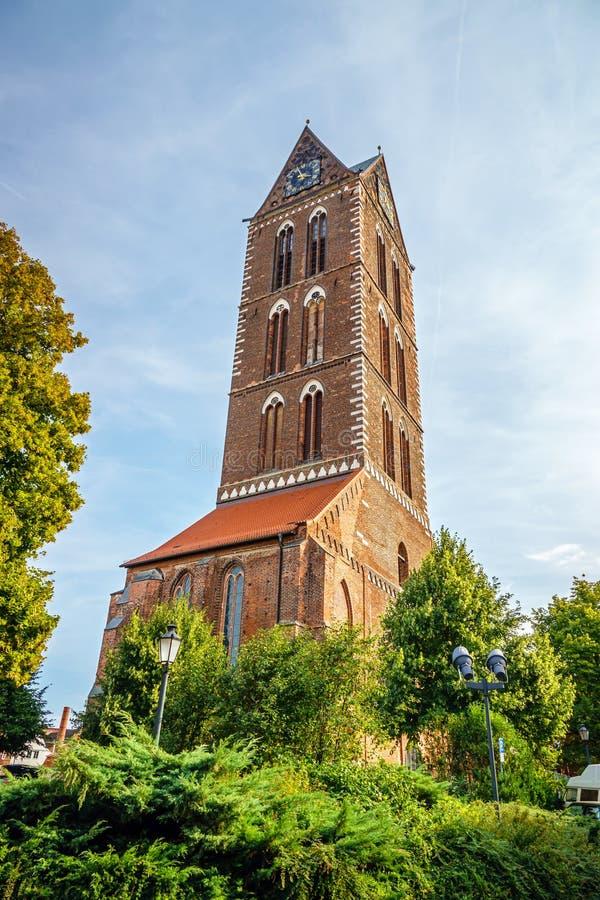
Marienkirche stands as a medieval brick giant that survived wars, occupations, and centuries of change in northern Germany. Discover the hidden stories of Hanseatic traders and architectural resilience etched into every stone of this remarkable church.
Need-to-Know Info Before Visiting Marienkirche
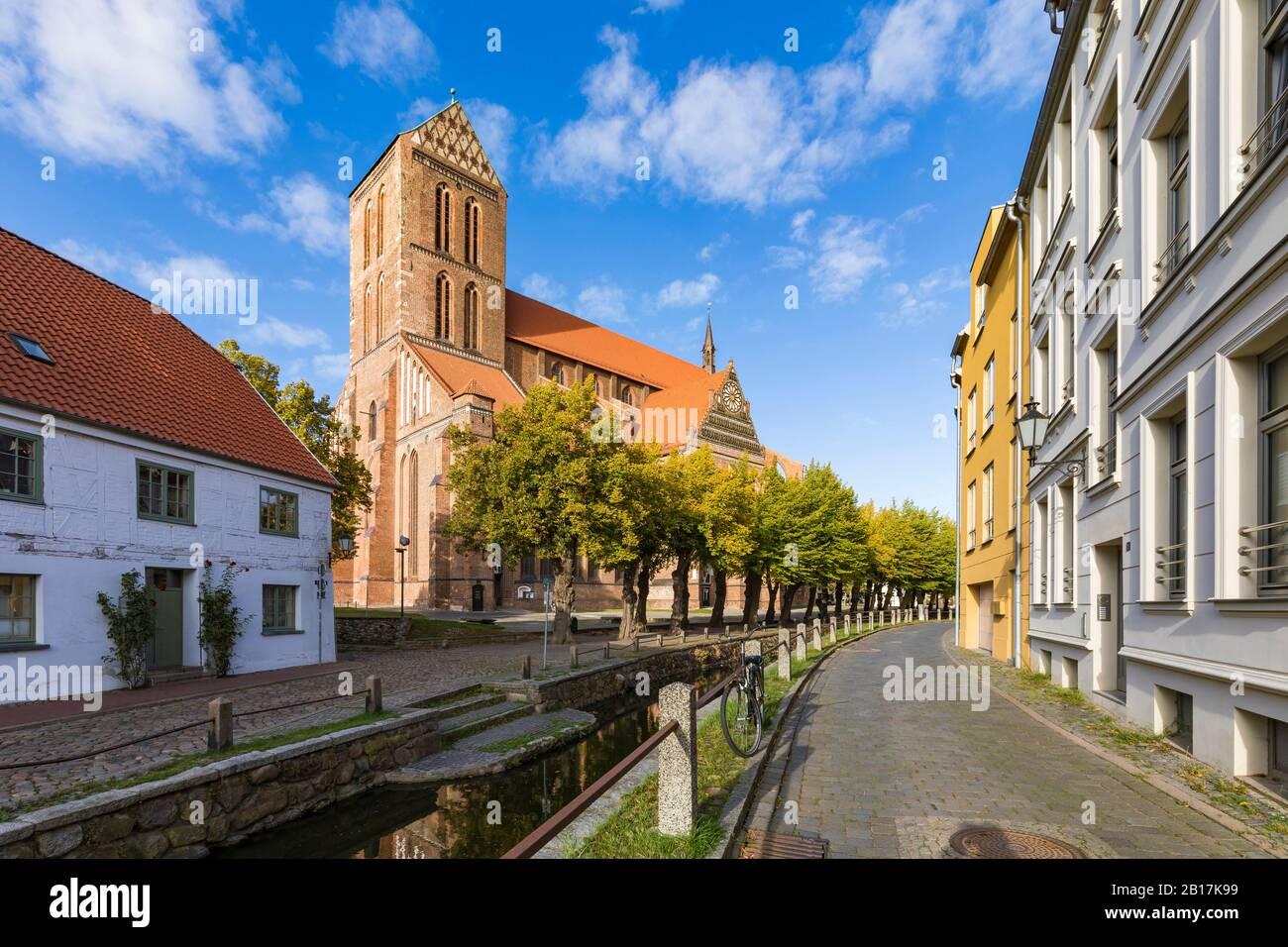
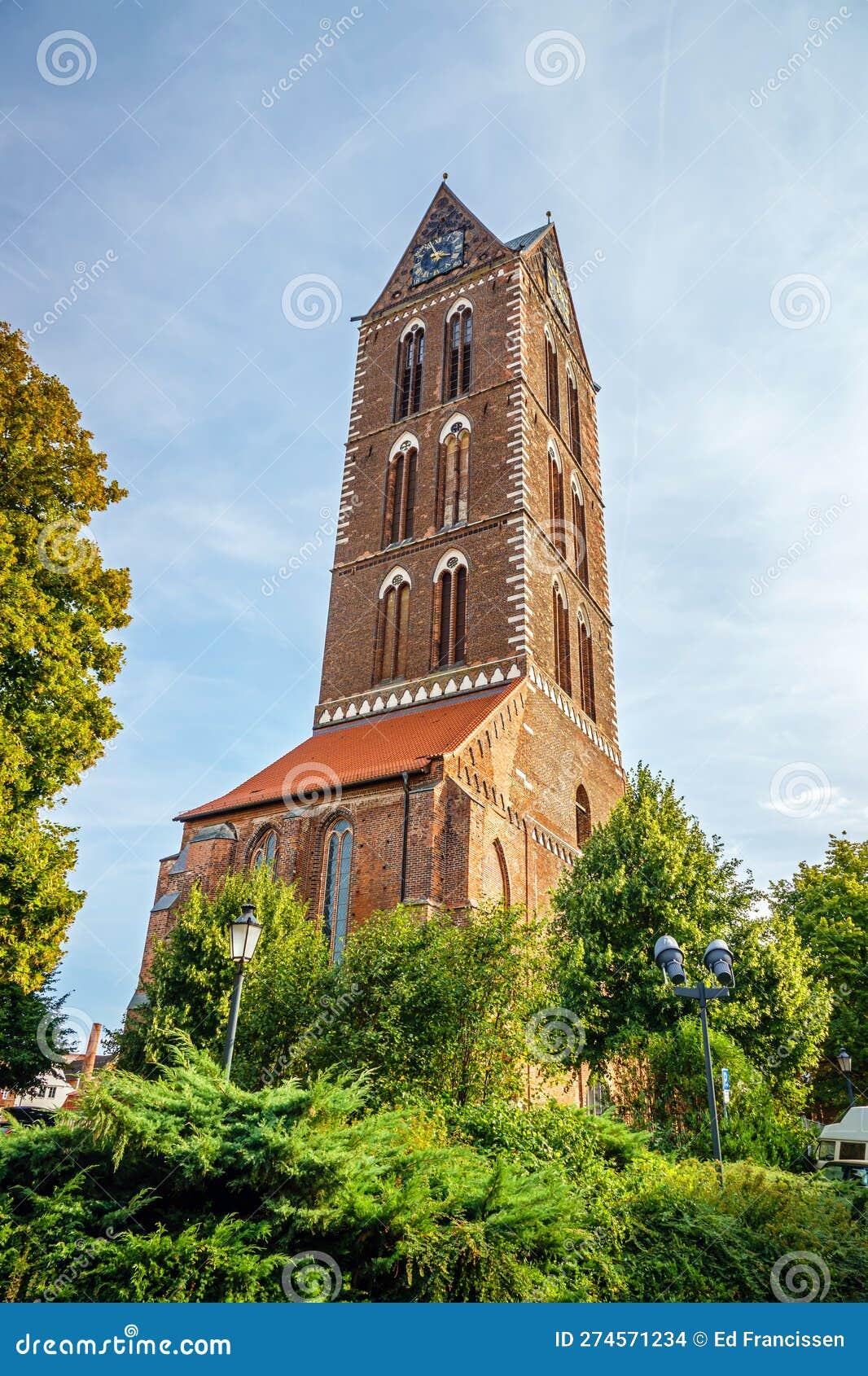
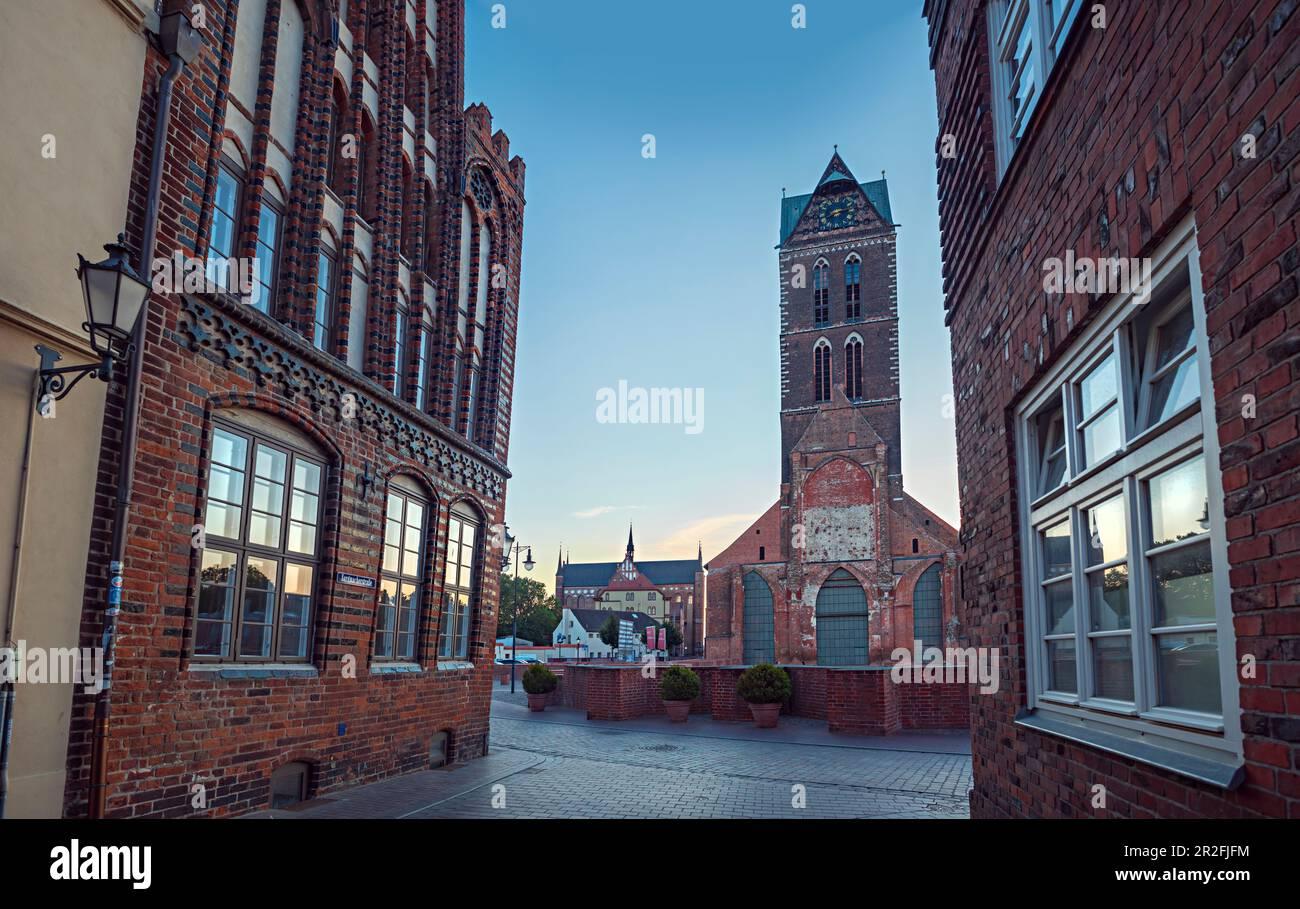
5+
images
Marienkirche Address
Marienkirche, Marienkirchstraße, 23952 Wismar, Germany
Marienkirche Opening Hours
- 🕒 Summer (April-October): Monday-Saturday 10 AM - 6 PM
- 🕒 Winter (November-March): Monday-Saturday 10 AM - 4 PM
- 🕒 Sundays: Limited hours, check local schedule
How to get to Marienkirche
- 🚗 By car: Parking available near Marktplatz
- 🚌 Public transport: Bus lines 5 and 7 stop nearby
- 🚕 Rideshare: Uber and local taxi services operate in Wismar
What is Marienkirche known for?
- Largest Gothic brick church in northern Germany
- Remarkable 15th-century brick architectural style characteristic of Hanseatic cities
- Contains historic artifacts from medieval Wismar's trading period
- Survived multiple wars and reconstructions since 13th century
- UNESCO World Heritage Site component representing Hanseatic League architecture
What is Marienkirche in Wismar?
Marienkirche stands as a landmark church in the heart of Wismar, drawing history buffs and architecture enthusiasts from across Europe. This massive Gothic brick church dominates the city's skyline, representing the architectural prowess of medieval northern Germany. Tourists flock to see its towering 38-meter-high naves and intricate brick detailing that survived multiple historical periods, including World War II. The church attracts roughly 50,000 visitors annually, making it a key stop for travelers exploring Wismar's UNESCO World Heritage sites. Unlike many tourist spots that feel staged, Marienkirche offers an authentic glimpse into 13th-century Hanseatic League construction techniques. Photographers love capturing its stark red-brick exterior and the surrounding market square, which provides stunning architectural context. Most visitors spend about 1-2 hours exploring the church's interior, examining historical artifacts, and understanding its role in regional medieval trading history. During summer months, guided tours run frequently, helping visitors understand the church's complex architectural and cultural significance.
Top things to do at Marienkirche
- Climb the church tower for panoramic views of Wismar's historic city center, offering a unique perspective of the medieval urban landscape
- Examine the church's original 14th-century brick construction techniques, highlighting the distinctive Hanseatic architectural style
- Visit the interior museum section displaying medieval religious artifacts and historical church treasures from Wismar's trading era
- Attend free organ concerts held monthly, featuring classical and baroque music performances in the church's acoustically rich space
- Join guided historical tours explaining the church's role during the Hanseatic League and its survival through multiple historical conflicts
- Photograph the intricate Gothic brick details and massive stone arches that represent northern German medieval church architecture
- Explore the underground crypt containing historical burial sites and archaeological remnants from the church's early centuries
Tickets and Entry
Entry to Marienkirche is free for visitors, with optional guided tours available for a small fee of 5-7 euros. Donations are appreciated to support ongoing preservation efforts. Visitors can purchase tour tickets directly at the church entrance or online through the Wismar Tourist Information website. No advance booking is required for general church entry.
History of Marienkirche
- 1250: Construction of Marienkirche begins as part of the expanding Hanseatic League trading network
- 1320: Completion of the main brick Gothic structure, representing typical northern German ecclesiastical architecture
- 1525: Reformation impacts church, transitioning from Catholic to Lutheran administration
- 1648: Survived Thirty Years' War with minimal structural damage
- 1850: Major restoration work repairs centuries of wear and structural aging
- 1945: Partially damaged during World War II bombing of Wismar
- 1990: Comprehensive restoration after German reunification
- 2002: Recognized as part of UNESCO World Heritage Site representing Hanseatic League urban landscape
Cultural Significance
Marienkirche symbolizes Wismar's medieval trading power and architectural innovation. As a key Lutheran church, it represents the religious and cultural transformation of northern Germany. The building stands as a testament to brick Gothic construction techniques and the maritime heritage of the Hanseatic League cities.
Tips for Visitors
- Wear comfortable walking shoes for exploring the church interior
- Photography is permitted, but avoid using flash near historical artifacts
- Check local event calendar for potential choir performances or organ concerts
- Allow at least 1-2 hours for a comprehensive visit
- Consider joining a guided tour for deeper historical insights
- Nearby cafés and restaurants offer perfect spots for post-visit refreshments
- Combine visit with nearby market square and historical city center attractions
What are some interesting facts about Marienkirche?
- The church's massive brick tower contains stones from multiple medieval construction periods, with some dating back to the 13th century
- During the Soviet occupation, the church was used as a warehouse and nearly scheduled for demolition before local preservationists intervened
- Marienkirche houses a hidden underground crypt that contains burial markers of prominent Hanseatic League merchants, which is not typically shown to regular tourists